
Download links
How to install Unleashing the Thrill of Rally Racing APK?
1. Tap the downloaded Unleashing the Thrill of Rally Racing APK file.
2. Touch install.
3. Follow the steps on the screen.
Description
Rally racing, a motorsport that combines speed, skill, and endurance, has a rich and storied history that dates back to the early 20th century. The origins of rallying can be traced to the 1907 Paris to Madrid race, which was one of the first long-distance automobile races. This event set the stage for what would evolve into a unique form of motorsport characterized by its emphasis on navigation and time trials rather than outright speed.
Early rally events were often fraught with danger, as drivers navigated unpaved roads and unpredictable weather conditions, making the sport both thrilling and perilous. As the years progressed, rally racing began to formalize into organized events. The Monte Carlo Rally, first held in 1911, became one of the most prestigious and iconic rallies in the world.
It introduced a competitive format that included not only speed but also navigation skills, as participants had to find their way through challenging routes across various terrains. The 1960s and 1970s marked a significant turning point in rally racing with the introduction of purpose-built rally cars, such as the Ford Escort and the Lancia Stratos. These vehicles were designed specifically for the rigors of rallying, featuring enhanced suspension systems and powerful engines that allowed them to tackle diverse landscapes with ease.
This era also saw the rise of legendary drivers like Björn Waldegård and Hannu Mikkola, who became household names in the sport.
Key Takeaways
- Rally racing has a rich history dating back to the early 20th century, with roots in Europe and a strong following worldwide.
- The adrenaline-pumping experience of rally racing is characterized by high speeds, challenging terrains, and intense competition.
- Essential skills and techniques such as precision driving, car control, and navigation are crucial for success in rally racing.
- Safety is paramount in rally racing, with strict regulations, safety equipment, and protocols in place to protect drivers, co-drivers, and spectators.
- The thrill of off-road terrain adds an extra layer of excitement to rally racing, with drivers navigating through diverse landscapes and unpredictable conditions.
- The future of rally racing looks promising, with advancements in technology, sustainability efforts, and a growing fan base ensuring its continued popularity and evolution.
The Adrenaline-Pumping Experience
Preparation is Key
Rally drivers spend hours poring over maps and notes, familiarizing themselves with every turn and curve of the route. This preparation is crucial, allowing them to anticipate challenges and make split-second decisions during the race.
The Adrenaline Rush
Once on the course, the adrenaline kicks in. Drivers navigate through a series of timed stages, racing against the clock while dealing with unpredictable conditions. The roar of the engine, the smell of burning rubber, and the sight of dust clouds billowing behind them create an electrifying atmosphere. Each stage presents its own unique challenges, from hairpin turns to treacherous gravel roads.
Teamwork Makes the Dream Work
The co-driver plays a vital role in this high-octane environment, calling out pace notes that guide the driver through each section of the course.
The combination of speed, precision, and teamwork creates an unparalleled rush that keeps drivers coming back for more.
The Essential Skills and Techniques
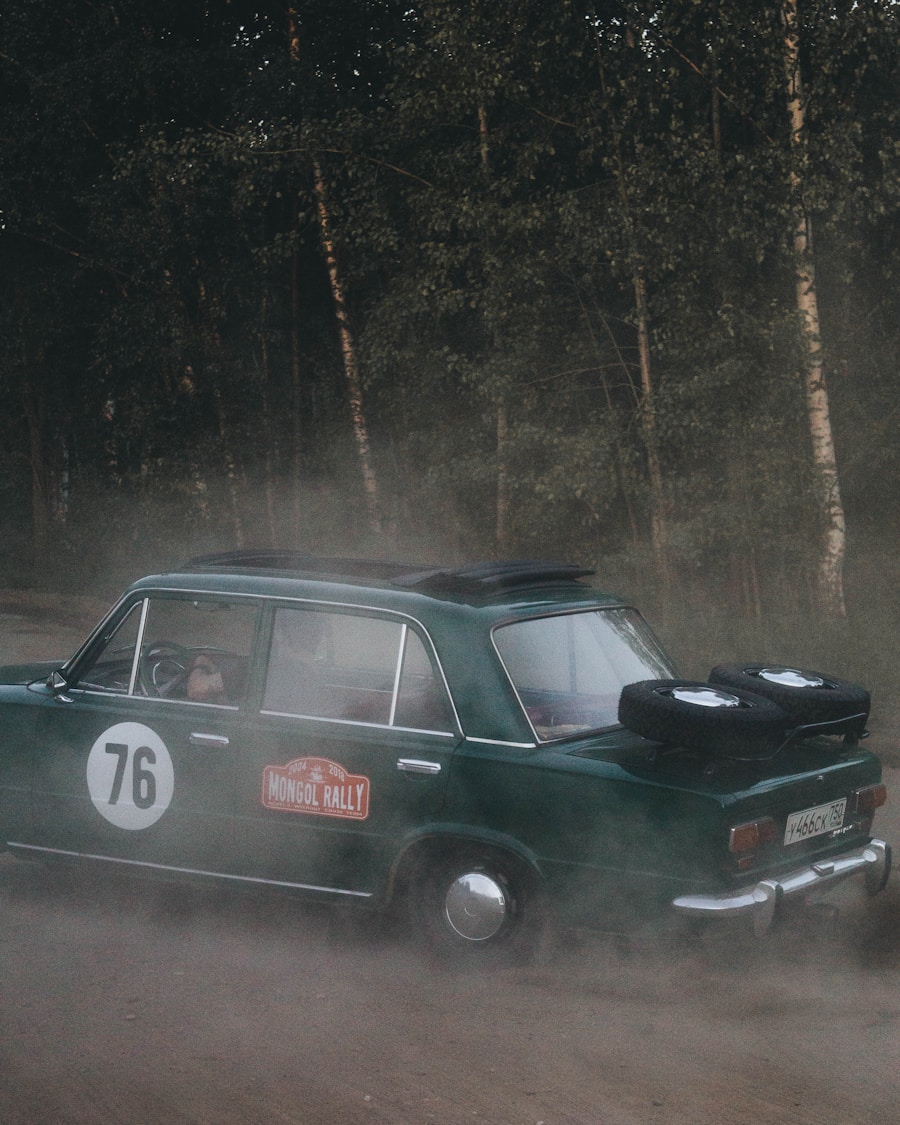
To excel in rally racing, drivers must possess a diverse set of skills that go beyond mere speed. One of the most critical abilities is car control. Rally drivers must be adept at handling their vehicles in various conditions, whether on loose gravel, wet mud, or icy roads.
This requires a deep understanding of vehicle dynamics and how to manipulate them effectively. Techniques such as drifting around corners or executing controlled slides are essential for maintaining speed while navigating tight turns. In addition to car control, mental acuity is paramount in rally racing. Drivers must remain focused and composed under pressure while processing information rapidly.
The ability to read the terrain and adapt driving techniques accordingly can make or break a race. For instance, when approaching a jump, a driver must gauge their speed and angle to ensure a safe landing. Furthermore, effective communication with the co-driver is vital; they must work in harmony to interpret pace notes accurately and adjust strategies on-the-fly based on real-time conditions.
The Importance of Safety in Rally Racing
| Aspect | Importance |
|---|---|
| Driver Safety Gear | Essential for protecting drivers from impact and fire |
| Vehicle Safety Features | Crucial for minimizing injuries in case of accidents |
| Emergency Response Team | Quick and efficient response can save lives |
| Track Safety Measures | Barriers and run-off areas are vital for preventing serious accidents |
| Driver Training and Education | Proper training reduces the risk of accidents |
Safety is a cornerstone of rally racing, given the inherent risks associated with high-speed driving on unpredictable terrains. Over the years, significant advancements have been made in safety protocols and vehicle design to protect drivers and co-drivers during competitions. Modern rally cars are equipped with roll cages, fire suppression systems, and advanced seatbelt harnesses that provide crucial protection in case of an accident.
These innovations have dramatically reduced fatalities and serious injuries in the sport. Moreover, rally organizations have implemented strict regulations regarding safety equipment and procedures. Before each event, vehicles undergo thorough inspections to ensure compliance with safety standards.
Additionally, drivers are required to wear helmets, fire-resistant suits, gloves, and shoes designed to withstand extreme conditions. Beyond personal safety gear, rally events also prioritize spectator safety by establishing designated viewing areas and implementing barriers to keep fans at a safe distance from the action. These measures reflect a commitment to ensuring that while rally racing remains an exhilarating spectacle, it does so with an unwavering focus on safety.
The Thrill of Off-Road Terrain
One of the defining characteristics of rally racing is its diverse range of terrains that challenge drivers in unique ways. Unlike traditional motorsports that typically take place on paved tracks, rally events often traverse rugged landscapes that include forests, mountains, deserts, and even snow-covered roads. This variety not only tests a driver’s skill but also adds an element of unpredictability that heightens the excitement for both participants and spectators.
Driving on off-road terrain requires a different approach compared to racing on asphalt.
Similarly, driving on loose gravel requires drivers to master techniques like throttle steering to maintain control during slides.
Each type of terrain presents its own set of challenges; rocky paths may require careful navigation to avoid damaging the vehicle’s undercarriage, while sandy dunes demand a different driving style altogether to prevent getting bogged down. This constant adaptation keeps drivers engaged and pushes them to refine their skills continuously.
The Future of Rally Racing
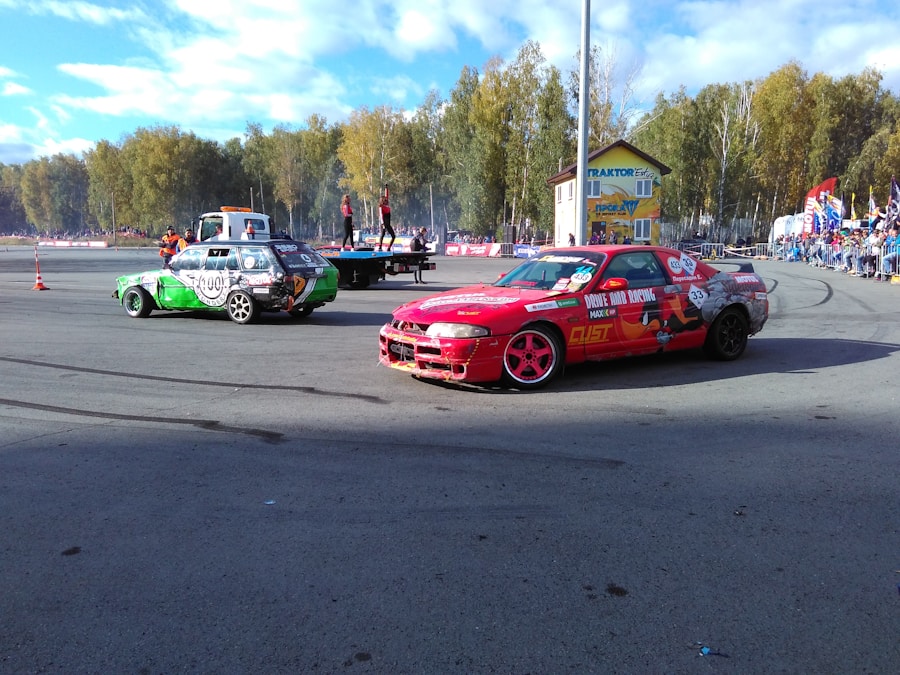
Enhanced Performance and Data-Driven Decision Making
These electric vehicles can deliver instant torque and acceleration, revolutionizing how drivers approach different terrains. Furthermore, advancements in data analytics and telemetry are transforming how teams prepare for events. By utilizing real-time data from sensors embedded in vehicles, teams can analyze performance metrics during practice runs and make informed adjustments to optimize their strategies for race day.
Inclusivity and Sustainability
As rally racing continues to gain popularity worldwide, there is a growing emphasis on inclusivity within the sport. Initiatives aimed at encouraging participation from diverse backgrounds are emerging, fostering a new generation of drivers who bring fresh perspectives and talents to rallying. This focus on inclusivity not only enriches the sport but also ensures its sustainability for years to come.
A Thrilling Future Ahead
In conclusion, rally racing stands as a testament to human ingenuity and passion for speed. Its rich history reflects a journey marked by innovation and evolution, while its future promises exciting developments driven by technology and inclusivity. As enthusiasts continue to push boundaries in this thrilling motorsport, one thing remains certain: rally racing will continue to captivate audiences around the globe for generations to come.
FAQs
What is rally racing?
Rally racing is a form of motorsport that takes place on public or private roads with modified production or specially built road-legal cars. It is known for its challenging courses and varying road conditions.
How does rally racing differ from other forms of racing?
Rally racing differs from other forms of racing in that it takes place on a variety of road surfaces, including gravel, dirt, snow, and tarmac. The courses are often longer and more unpredictable, requiring drivers and co-drivers to navigate through different terrains and weather conditions.
What are the different types of rally racing?
There are several types of rally racing, including stage rallies, rallycross, and endurance rallies. Stage rallies are the most common and involve timed stages on closed public roads. Rallycross takes place on a closed circuit with mixed surfaces, and endurance rallies cover long distances over multiple days.
What are the key skills needed for rally racing?
Rally racing requires drivers to have exceptional car control, the ability to adapt to changing road conditions, and strong communication with their co-driver. They must also possess quick decision-making skills and a deep understanding of vehicle dynamics.
What safety measures are in place for rally racing?
Rally racing events have strict safety regulations, including roll cages, safety harnesses, fire extinguishers, and mandatory safety gear for drivers and co-drivers. Additionally, the courses are carefully designed to minimize potential hazards.
What are some famous rally racing events?
Some of the most famous rally racing events include the World Rally Championship (WRC), the Dakar Rally, the Monte Carlo Rally, and the Rally Finland. These events attract top drivers and teams from around the world and are known for their challenging courses and competitive spirit.