
Download links
How to install Majestic Chocolate Hills: A Natural Wonder APK?
1. Tap the downloaded Majestic Chocolate Hills: A Natural Wonder APK file.
2. Touch install.
3. Follow the steps on the screen.
Description
The Chocolate Hills, a geological wonder located in the Bohol province of the Philippines, are a striking landscape characterized by over 1,200 symmetrical mounds that rise dramatically from the surrounding terrain. The formation of these hills is attributed to a combination of geological processes that have taken place over millions of years. Initially, the area was submerged under a shallow sea, where marine organisms thrived and deposited limestone sediments on the ocean floor.
Over time, tectonic activity caused the land to uplift, exposing these limestone deposits to the elements. As the land emerged, erosion began to sculpt the landscape. Rainwater, along with the natural processes of weathering, played a significant role in shaping the hills.
The limestone was gradually eroded away, leaving behind the distinctive conical shapes that we see today.
However, during the dry season, the grass turns brown, giving the hills their characteristic chocolate-like appearance, which is how they got their name.
Key Takeaways
- The Chocolate Hills in the Philippines were formed by the uplift of coral deposits and the action of erosion over millions of years.
- The unique geological formation of the Chocolate Hills consists of around 1,268 cone-shaped hills, which are covered in green grass that turns brown during the dry season, giving them their chocolate-like appearance.
- The Chocolate Hills are home to a diverse range of flora and fauna, including various species of plants, birds, and mammals, some of which are endemic to the region.
- The Chocolate Hills hold significant cultural importance to the local community, with legends and myths surrounding their formation and spiritual significance.
- The best ways to experience the Chocolate Hills include hiking to the viewing deck for panoramic views, exploring the surrounding nature reserves, and taking part in local cultural activities.
- Conservation efforts are in place to protect the Chocolate Hills, including reforestation projects and sustainable tourism practices to preserve the natural beauty and biodiversity of the area.
- The legend and myths surrounding the Chocolate Hills include a romantic tale of two giants and a tragic love story, adding to the allure and mystery of the landscape.
- The future of the Chocolate Hills as a tourist destination looks promising, with sustainable tourism practices and conservation efforts aimed at preserving the natural wonder for future generations to enjoy.
The Unique Geology of the Chocolate Hills
Formation of the Hills
The hills themselves are not volcanic in origin; rather, they are a result of karst topography, which is characterized by features such as sinkholes, caves, and underground rivers. The process of karstification has led to the development of these unique hill formations.
Uniformity of the Hills
The Chocolate Hills are also notable for their uniformity in shape and size. Most of the hills range from 30 to 50 meters in height and exhibit a similar conical form. This uniformity is a testament to the erosional processes that have acted upon them over time.
Geological Significance
The hills are spread over an area of approximately 50 square kilometers, creating a surreal landscape that captivates visitors. The geological significance of the Chocolate Hills extends beyond their aesthetic appeal; they serve as a natural laboratory for studying erosion and sedimentation processes in limestone terrains.
The Flora and Fauna of the Chocolate Hills
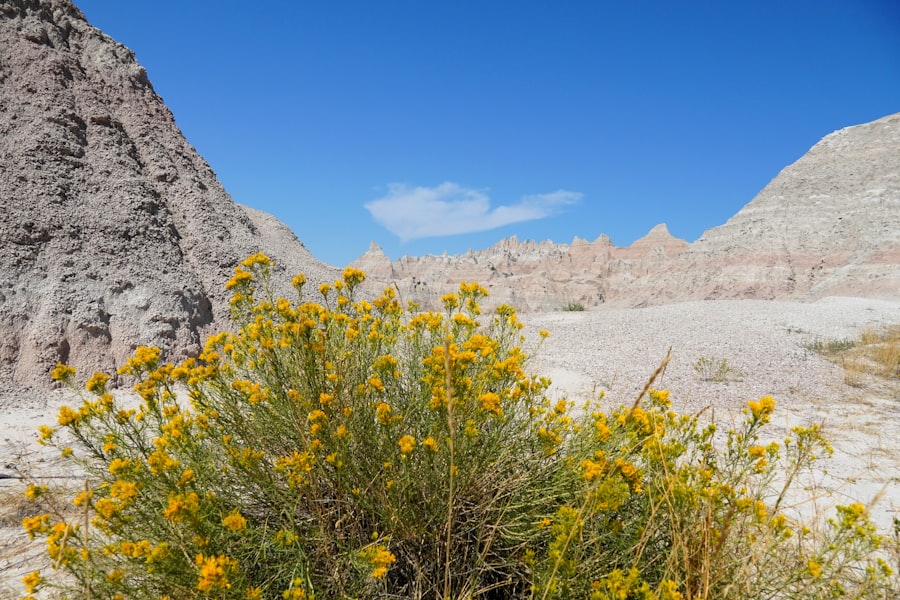
The biodiversity surrounding the Chocolate Hills is as remarkable as their geological features. The area is home to a variety of plant species that thrive in its tropical climate. During the rainy season, the hills are covered with lush green grass and wildflowers, creating a vibrant tapestry of colors.
Grasses such as cogon and various flowering plants dominate the landscape, while scattered trees provide shade and habitat for wildlife. The seasonal changes in vegetation not only enhance the visual appeal of the hills but also play a crucial role in maintaining the local ecosystem. In terms of fauna, the Chocolate Hills support a diverse range of wildlife.
Bird species such as the Philippine tarsier, which is one of the smallest primates in the world, can be found in this region. These nocturnal creatures are known for their large eyes and unique ability to rotate their heads almost 180 degrees. Additionally, various reptiles and insects inhabit the area, contributing to its ecological richness.
The presence of these species highlights the importance of preserving this unique environment, as it serves as a habitat for many endemic and endangered species.
The Cultural Significance of the Chocolate Hills to the Local Community
| Aspect | Metrics |
|---|---|
| Tourism | Number of tourists visiting annually |
| Economic Impact | Revenue generated from tourism |
| Cultural Events | Number of cultural events held at the Chocolate Hills |
| Local Businesses | Number of businesses supported by tourism |
| Community Pride | Local community’s pride in the Chocolate Hills |
The Chocolate Hills hold profound cultural significance for the local communities in Bohol. They are not merely a natural wonder; they are woven into the fabric of local folklore and traditions. For many residents, these hills symbolize resilience and beauty, serving as a source of pride for Boholanos.
Local legends often depict them as remnants of ancient battles or mythical creatures turned to stone, adding layers of meaning to their existence.
As one of the most iconic landmarks in the Philippines, they attract thousands of visitors each year.
This influx of tourists provides economic opportunities for local businesses, from guided tours to souvenir shops. The community’s connection to the Chocolate Hills fosters a sense of stewardship among residents, encouraging them to protect and preserve this natural treasure for future generations.
The Best Ways to Experience the Chocolate Hills
Experiencing the Chocolate Hills can be an unforgettable adventure for travelers seeking to immerse themselves in this unique landscape. One of the most popular ways to appreciate their beauty is by visiting designated viewing points, such as the Chocolate Hills Complex or the view deck at Sagbayan Peak. These vantage points offer panoramic views that allow visitors to take in the full expanse of the hills and capture stunning photographs.
For those looking for a more active experience, hiking around the hills provides an opportunity to explore their contours up close. Several trails wind through the area, allowing visitors to appreciate not only the geological formations but also the surrounding flora and fauna. Guided tours often include educational components that delve into the geology and ecology of the region, enriching visitors’ understanding of this natural wonder.
Additionally, some tour operators offer ATV rides or bike rentals for those seeking an adrenaline rush while navigating through this breathtaking landscape.
The Conservation Efforts to Protect the Chocolate Hills
Preservation Efforts
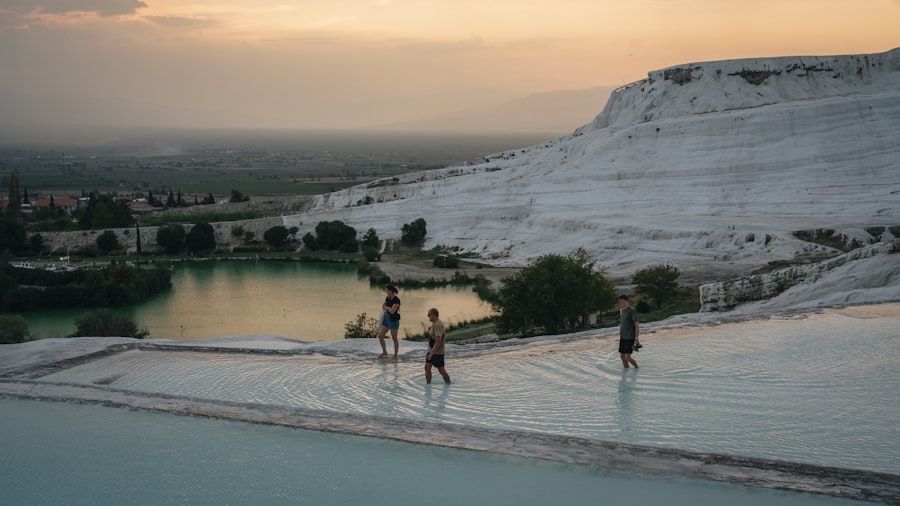
Local government units and environmental organizations have initiated various programs aimed at preserving this unique landscape. These efforts include reforestation projects to restore native vegetation and prevent soil erosion, which can threaten the integrity of the hills.
The Role of Education
Education plays a vital role in conservation initiatives as well. Local communities are engaged in awareness campaigns that highlight the importance of protecting their natural heritage. By fostering a sense of responsibility among residents and visitors alike, these programs aim to ensure that future generations can continue to enjoy and learn from this remarkable geological formation.
Sustainable Tourism
Furthermore, regulations have been put in place to manage tourism activities effectively, ensuring that they do not compromise the ecological balance of the area.
The Legend and Myths Surrounding the Chocolate Hills
The allure of the Chocolate Hills extends beyond their physical beauty; they are steeped in local legends and myths that add an enchanting dimension to their story. One popular tale tells of two giants who engaged in a fierce battle over a beautiful maiden. After days of fighting, they eventually reconciled but left behind their tears and remnants of their conflict—transforming into what we now know as the Chocolate Hills.
This narrative not only captures the imagination but also reflects cultural values such as love and reconciliation. Another legend speaks of a giant who fell in love with a mortal woman. Heartbroken by her rejection, he wept bitterly until his tears formed into hills scattered across Bohol.
These stories serve as cultural touchstones for local communities, reinforcing their connection to the land while providing visitors with a deeper understanding of its significance. Such myths contribute to a sense of wonder surrounding the Chocolate Hills, making them not just a geological marvel but also a repository of local history and tradition.
The Future of the Chocolate Hills as a Tourist Destination
As interest in eco-tourism continues to grow globally, the future of the Chocolate Hills as a tourist destination appears promising yet requires careful management. With increasing numbers of visitors drawn to its unique landscape and cultural heritage, there is potential for economic growth within local communities. However, this growth must be balanced with sustainable practices that protect both the environment and local culture.
Investment in infrastructure improvements can enhance visitor experiences while minimizing ecological impact. Initiatives such as guided eco-tours can educate tourists about responsible behavior while exploring sensitive areas around the hills. Additionally, promoting off-peak tourism can help alleviate congestion during peak seasons, allowing for a more enjoyable experience for visitors while reducing stress on local resources.
In conclusion, while challenges remain regarding conservation and sustainable tourism practices, there is hope that with continued efforts from local communities and stakeholders, the Chocolate Hills will thrive as both an ecological treasure and a cultural landmark for generations to come.
FAQs
What are the Chocolate Hills?
The Chocolate Hills are a geological formation located in the Bohol province of the Philippines. They are made up of around 1,200 to 1,776 conical limestone hills, which are covered in green grass that turns brown during the dry season, giving them a chocolate-like appearance.
How were the Chocolate Hills formed?
The exact formation process of the Chocolate Hills is still a subject of debate among geologists. However, it is widely believed that they are the result of the uplift of coral deposits and the action of rainwater and erosion over millions of years.
What is the significance of the Chocolate Hills?
The Chocolate Hills are a major tourist attraction in the Philippines and are considered a natural wonder. They have been declared the country’s third National Geological Monument and are included in the Tentative List for UNESCO World Heritage Sites.
Can visitors explore the Chocolate Hills?
Yes, visitors can explore the Chocolate Hills by climbing the viewing deck in the town of Carmen, which offers panoramic views of the hills. There are also hiking trails and ATV tours available for those who want to explore the area more closely.
Are there any legends or myths associated with the Chocolate Hills?
One popular legend about the formation of the Chocolate Hills involves two giants who were throwing rocks and sand at each other in a fit of rage, and when they reconciled, they left behind the mess they had made, which became the Chocolate Hills. This legend is a popular story among locals and adds to the mystique of the hills.