
Win Big with Bingo: Tips for Success
Description
Bingo is a game that has transcended generations, evolving from its origins in 16th-century Italy to become a beloved pastime across the globe. At its core, the game is simple: players mark off numbers on their cards as they are called out, aiming to complete a specific pattern, such as a line or a full house. The thrill of anticipation builds as players listen intently for their numbers, creating an atmosphere of excitement and camaraderie.
The game’s appeal lies not only in its straightforward rules but also in the social interaction it fosters among players, making it a popular choice for gatherings and community events. The mechanics of bingo are relatively easy to grasp, yet the nuances of the game can vary significantly depending on the version being played. Traditional bingo typically uses a 75-ball format in North America, where players have cards with a 5×5 grid filled with random numbers.
In contrast, the 90-ball format, prevalent in the UK and Australia, features cards with three rows and nine columns, offering different winning patterns and strategies. Understanding these variations is crucial for players looking to enhance their experience and increase their chances of winning. Additionally, many bingo halls and online platforms offer themed games and special promotions, adding layers of excitement and engagement to the classic format.
Key Takeaways
- Bingo is a game of chance that involves matching numbers on a card with numbers drawn by a caller.
- When choosing a bingo hall or online site, consider factors such as location, game variety, and community atmosphere.
- To maximize your chances of winning, arrive early, purchase multiple cards, and choose cards with a variety of numbers.
- Manage your bankroll by setting limits on how much you are willing to spend and stick to it to avoid overspending.
- When playing multiple bingo cards, use a systematic approach to keep track of the numbers called and stay organized.
Choosing the Right Bingo Hall or Online Site
Physical Bingo Halls: Factors to Consider
When considering a physical bingo hall, factors such as location, atmosphere, and amenities come into play. A well-established hall often provides a vibrant environment with comfortable seating, good lighting, and friendly staff. Moreover, some venues host special events or themed nights that can enhance the social aspect of the game. It’s also essential to consider the size of the hall; larger venues may attract more players, which can lead to bigger jackpots but also increased competition.
Online Bingo: A Different Set of Criteria
For those who prefer the convenience of online bingo, the selection process involves different criteria. The credibility of the site is paramount; players should look for licensed platforms that prioritize security and fair play. Reading reviews and checking for certifications can help ensure that you are playing on a reputable site. Additionally, consider the variety of games offered, as well as bonuses and promotions that can provide extra value.
The Social Aspect of Online Bingo
Many online bingo sites also feature chat rooms where players can interact, mirroring the social experience found in physical halls. This blend of convenience and community makes online bingo an appealing option for many enthusiasts.
Tips for Maximizing Your Chances of Winning
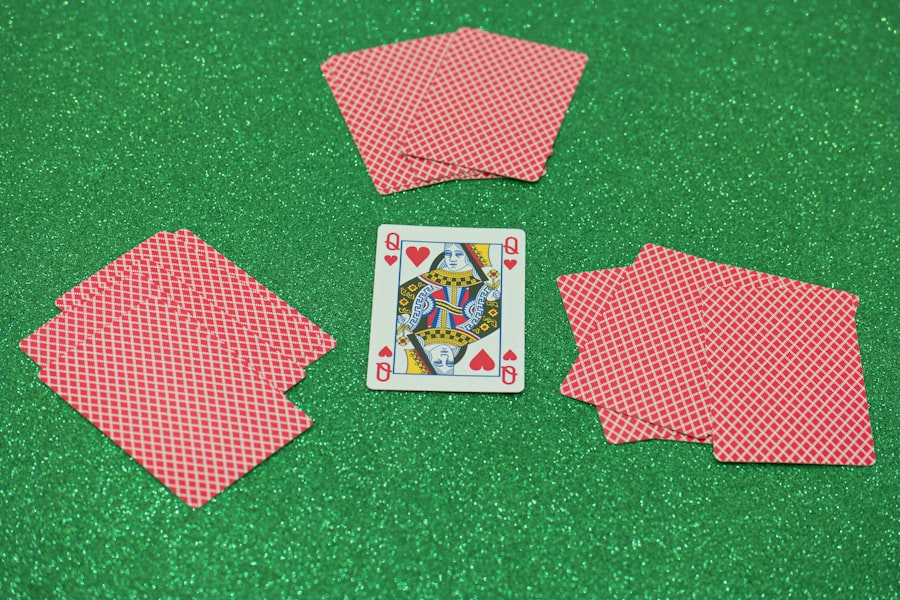
While bingo is largely a game of chance, there are strategies players can employ to enhance their odds of winning. One effective approach is to play during off-peak hours when fewer players are present. This can lead to less competition for prizes, increasing your chances of winning even if the jackpots are smaller.
Additionally, consider purchasing multiple cards for a single game; this not only increases your chances of marking off winning numbers but also adds to the excitement as you juggle multiple cards. Another tip is to familiarize yourself with the specific rules and patterns required for each game variant you play. Different games may have unique winning patterns or special bonuses that can be leveraged for greater success.
For instance, some games may offer additional prizes for completing specific patterns beyond the standard lines or full houses. By understanding these nuances, players can make informed decisions about which games to participate in and how to approach their card selection.
Managing Your Bankroll and Setting Limits
| Bankroll Management Metric | Description |
|---|---|
| Win/Loss Limit | The maximum amount you are willing to win or lose in a single session. |
| Percentage of Bankroll | The percentage of your total bankroll that you are willing to risk on a single bet or game. |
| Session Length | The amount of time you plan to spend gambling in a single session. |
| Bankroll Size | The total amount of money you have set aside for gambling activities. |
Effective bankroll management is crucial for any player looking to enjoy bingo without overspending. Establishing a budget before you start playing helps ensure that you remain within your financial limits while still enjoying the thrill of the game. This budget should account for not only the cost of cards but also any additional expenses such as food or drinks if you are at a physical hall.
By setting clear limits on how much you are willing to spend in a single session, you can avoid impulsive decisions that may lead to regret later. In addition to setting a budget, it’s wise to track your spending over time. Keeping a record of your wins and losses can provide valuable insights into your playing habits and help you adjust your strategy accordingly.
If you find yourself consistently losing more than you are winning, it may be time to reassess your approach or take a break from playing altogether. Remember that bingo should be an enjoyable experience; maintaining control over your finances ensures that it remains a fun pastime rather than a source of stress.
Strategies for Playing Multiple Bingo Cards
Playing multiple bingo cards simultaneously can be an exhilarating way to increase your chances of winning, but it requires focus and strategy. One effective method is to limit the number of cards you play based on your comfort level and ability to keep track of them all. Beginners might start with two or three cards, gradually increasing as they become more adept at managing multiple games.
This approach allows players to enjoy the thrill of multiple chances without becoming overwhelmed. To successfully manage several cards at once, organization is key. Use markers or daubers that stand out against the card background to easily identify marked numbers.
Additionally, consider using a system to keep track of which cards correspond to which patterns; this can help streamline your focus during gameplay. Some players find it helpful to designate specific cards for certain patterns or games, allowing them to concentrate their efforts more effectively. With practice and patience, mastering the art of playing multiple cards can lead to greater enjoyment and increased opportunities for winning.
Staying Focused and Avoiding Distractions
Minimizing Distractions
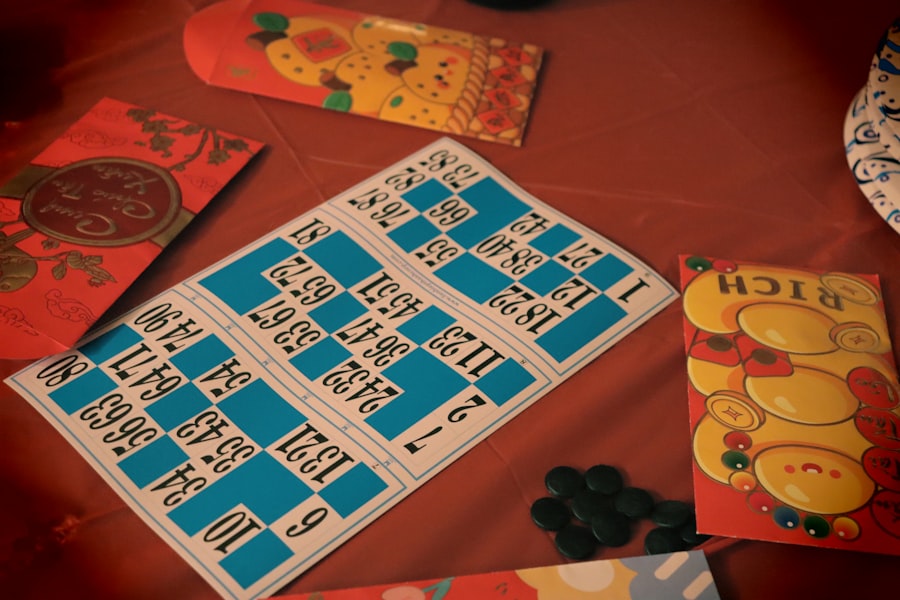
To enhance concentration, consider choosing a seat away from high-traffic areas in a bingo hall or finding a quiet space when playing online. This strategic positioning can help minimize interruptions and allow you to concentrate fully on the game at hand.
Mental Preparation
In addition to physical distractions, mental clarity is equally important. Before starting a session, take a moment to clear your mind and set your intentions for the game. This mental preparation can help you stay engaged and alert as numbers are called out.
Staying Focused During Gameplay
If you find yourself becoming distracted during gameplay, take a brief pause to refocus your thoughts before diving back in. By cultivating an environment conducive to concentration, you can enhance your overall experience and improve your performance.
Socializing and Networking with Other Players
Bingo is not just about winning; it’s also about building connections with fellow players. The social aspect of the game is one of its most appealing features, providing opportunities for camaraderie and friendship.
Whether it’s sharing tips or simply chatting about life outside of bingo, these interactions can enrich your experience. Participating in group games or themed nights at local halls can further foster social connections. Many venues host special events that encourage players to mingle and form friendships over shared interests in gaming.
Online platforms often feature chat rooms where players can interact during games, allowing for real-time conversations that mimic the social atmosphere found in physical halls. Building relationships with other players not only enhances your enjoyment but can also lead to valuable insights and strategies that improve your gameplay.
Knowing When to Take a Break and Enjoy the Experience
Recognizing when to take a break is an essential skill for any bingo player looking to maintain a healthy balance between enjoyment and competition. The excitement of playing can sometimes lead individuals to lose track of time or become overly invested in winning. It’s important to listen to your body and mind; if you start feeling fatigued or frustrated, stepping away for a moment can help reset your perspective and recharge your enthusiasm.
Taking breaks also provides an opportunity to reflect on your gameplay experience. Use this time to assess what strategies have been working well and what areas might need improvement.
Ultimately, embracing breaks as part of your bingo routine allows you to enjoy the game fully while maintaining a healthy approach to competition and leisure.
FAQs
What is bingo?
Bingo is a game of chance in which players mark off numbers on cards as the numbers are drawn randomly by a caller. The first player to mark off a predetermined pattern of numbers wins the game.
How is bingo played?
Players are each given a bingo card with a grid of numbers. A caller randomly selects numbers and announces them to the players. Players mark off the numbers on their cards, and the first player to complete a specific pattern (such as a line, four corners, or blackout) wins a prize.
What are the common variations of bingo?
Common variations of bingo include 75-ball bingo, 90-ball bingo, and speed bingo. Each variation has its own rules and patterns for winning.
Where is bingo commonly played?
Bingo is commonly played in dedicated bingo halls, community centers, and online. It is also a popular game at fundraisers, social events, and retirement communities.
Is bingo considered a form of gambling?
Bingo is often considered a form of gambling, as it involves the risk of losing money in hopes of winning a prize. However, in some jurisdictions, bingo is exempt from certain gambling regulations due to its social and charitable nature.
What are the potential benefits of playing bingo?
Playing bingo can provide social interaction, cognitive stimulation, and entertainment for players. It is also commonly used as a fundraising activity for charitable organizations and community groups.