
Mastering Chess Online: Strategies for Success
Description
Online chess has revolutionized the way enthusiasts engage with the game, making it accessible to players of all skill levels. At its core, chess is a strategic board game played between two opponents, where the objective is to checkmate the opponent’s king. The rules are straightforward, but the depth of strategy involved can be immense.
Each player begins with 16 pieces: one king, one queen, two rooks, two knights, two bishops, and eight pawns. The game unfolds on an 8×8 grid known as the chessboard, where each piece moves in unique ways. Understanding these movements is fundamental for any player looking to improve their game.
In the online realm, chess is not just about playing; it encompasses a variety of formats and time controls. Players can choose from classical games that may last several hours to rapid or blitz formats that require quick thinking and fast decision-making. Online platforms like Chess.com and Lichess.org offer a plethora of options, including puzzles, lessons, and tournaments.
These platforms also provide tools for tracking progress and analyzing games, which can be invaluable for players seeking to enhance their skills. The convenience of playing from anywhere at any time has made online chess a popular choice for both casual players and serious competitors.
Key Takeaways
- Online chess requires a good internet connection and a compatible device to play.
- A strong opening repertoire is essential for success in online chess.
- Improving tactical and positional awareness is crucial for making strategic moves.
- Utilizing online resources and tools can help improve chess skills and knowledge.
- Practicing time management and decision making is important for playing online chess effectively.
Developing a Strong Opening Repertoire
A well-structured opening repertoire is essential for any chess player aiming to gain an advantage right from the start of the game. The opening phase sets the tone for the middle game and can often dictate the flow of the match. Players should familiarize themselves with various opening strategies, such as the Ruy Lopez, Sicilian Defense, or Queen’s Gambit.
Each opening has its own set of principles and ideas that can lead to favorable positions if executed correctly. For instance, the Ruy Lopez focuses on controlling the center while developing pieces harmoniously, which can lead to strong attacking chances. To build a robust opening repertoire, players should not only memorize moves but also understand the underlying concepts behind them.
This involves studying common traps and tactics associated with each opening. For example, in the Sicilian Defense, Black aims to create an asymmetrical pawn structure that can lead to dynamic play. By analyzing games played by grandmasters who favor specific openings, players can gain insights into strategic ideas and typical middlegame plans that arise from these openings.
Additionally, players should regularly update their repertoire based on evolving trends in chess theory and their personal experiences in games.
Improving Tactical and Positional Awareness

Tactical awareness is a critical skill in chess that involves recognizing opportunities for immediate gains, such as forks, pins, and discovered attacks. Players can enhance their tactical skills through consistent practice with puzzles that challenge their ability to spot these opportunities within a limited number of moves. Online platforms often feature tactical trainers that adapt to a player’s skill level, providing a personalized approach to improving this aspect of their game. For instance, solving puzzles that require finding the best move in a given position can sharpen a player’s ability to think critically under pressure. Positional awareness, on the other hand, involves understanding the long-term strengths and weaknesses of both one’s own position and that of the opponent.
This includes evaluating pawn structures, piece activity, and control of key squares. A player with strong positional understanding can make strategic decisions that may not yield immediate tactical benefits but will lead to a more favorable position over time. For example, recognizing when to exchange pieces to simplify a position or when to maintain tension can significantly impact the outcome of a game.
Engaging with instructional videos or books focused on positional play can further deepen a player’s understanding of these concepts.
Utilizing Online Resources and Tools
| Online Resource/Tool | Usage | Effectiveness |
|---|---|---|
| Google Drive | 80% | High |
| Trello | 60% | Medium |
| Slack | 90% | High |
The digital age has ushered in an abundance of resources for chess players looking to improve their skills. Online platforms provide access to instructional videos, articles, and interactive lessons from experienced coaches and grandmasters. Websites like Chess.com offer comprehensive learning paths tailored to different skill levels, covering everything from basic tactics to advanced strategies.
Players can also find forums and discussion groups where they can ask questions and share insights with fellow enthusiasts. In addition to educational content, online tools such as game analysis engines are invaluable for self-improvement. After playing a game, players can input their moves into an analysis tool that evaluates their performance and highlights mistakes or missed opportunities.
This feedback loop is crucial for understanding one’s weaknesses and areas for improvement. Furthermore, many platforms allow players to watch live streams of high-level games or participate in online tournaments, providing exposure to different playing styles and strategies that can inspire personal growth.
Practicing Time Management and Decision Making
Time management is a vital component of chess that often distinguishes successful players from their less experienced counterparts. In online chess, where time controls can vary significantly, developing an effective approach to managing one’s clock is essential. Players must learn to balance the need for careful consideration of moves with the urgency imposed by time constraints.
Practicing in formats like blitz or rapid games can help players become more comfortable making quick decisions without sacrificing quality. Effective decision-making in chess involves evaluating positions critically and weighing potential outcomes before committing to a move. Players should cultivate the habit of asking themselves key questions: What are my opponent’s threats?
What are my own objectives? How does this move affect my overall strategy? By developing a systematic approach to decision-making during games, players can enhance their ability to navigate complex positions under pressure.
Regularly reviewing games played under different time controls can also provide insights into how time management affects performance.
Analyzing and Learning from Past Games
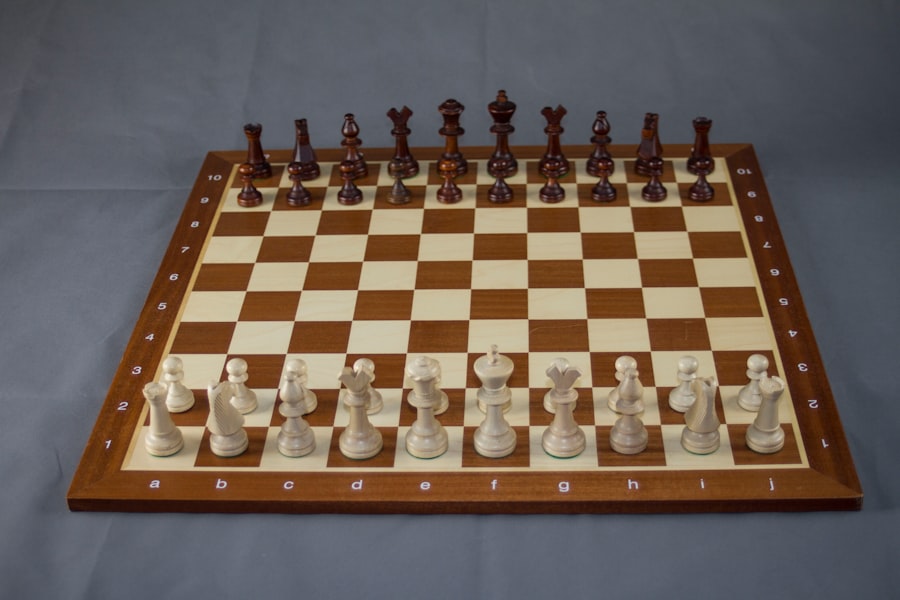
Reviewing Past Games
One of the most effective ways to improve at chess is through thorough analysis of past games. After each match—whether won or lost—players should take the time to review their moves and decisions critically. This process often reveals patterns in play that may not be immediately apparent during the heat of competition.
Identifying Areas for Improvement
By identifying recurring mistakes or missed opportunities, players can develop strategies to avoid similar pitfalls in future games. Utilizing analysis tools available on online platforms can enhance this learning process significantly. These tools often provide detailed evaluations of each move made during a game, highlighting inaccuracies or blunders while suggesting alternative moves that could have led to better outcomes.
Collaborative Learning
Additionally, discussing games with peers or coaches can provide fresh perspectives on one’s play style and decision-making processes. Engaging in this reflective practice fosters continuous improvement and helps players develop a deeper understanding of their strengths and weaknesses.
Staying Mentally Sharp and Focused
Chess is as much a mental game as it is a strategic one; therefore, maintaining mental sharpness is crucial for success. Players must cultivate focus and concentration during games to avoid lapses in judgment that could lead to costly mistakes. Techniques such as mindfulness meditation or visualization exercises can help enhance mental clarity and reduce anxiety during play.
Regular exercise, proper nutrition, and adequate sleep contribute to cognitive function and stamina during long matches or tournaments.
Engaging in activities that promote relaxation and stress relief can further enhance focus during games. For instance, taking short breaks between rounds in tournaments allows players to recharge mentally before diving back into competition. By prioritizing both mental and physical well-being, players can ensure they are at their best when facing opponents.
Building a Supportive Online Chess Community
The journey of improving at chess is often more enjoyable when shared with others who share similar interests and goals. Building a supportive online community can provide motivation, encouragement, and valuable insights into one’s play style. Many platforms offer forums or chat rooms where players can connect with others at various skill levels, fostering an environment conducive to learning and growth.
Participating in online clubs or joining study groups can further enhance this sense of community. These groups often organize regular practice sessions or tournaments that allow members to engage with one another while honing their skills. Additionally, collaborating with others on analyzing games or discussing strategies can lead to new discoveries and perspectives that enrich one’s understanding of chess.
By surrounding themselves with like-minded individuals who are passionate about the game, players can cultivate a positive atmosphere that encourages continuous improvement and camaraderie within the chess community.
FAQs
What is online chess?
Online chess refers to the practice of playing chess over the internet using a computer, smartphone, or other electronic device. Players can compete against each other in real-time or take part in turn-based games.
How does online chess work?
Online chess platforms provide a virtual space for players to connect and play games. Players can create accounts, search for opponents, and join games with people from around the world. Moves are made by clicking and dragging the pieces on the virtual board.
What are the benefits of playing chess online?
Playing chess online allows players to practice and improve their skills at any time, from anywhere with an internet connection. It also provides access to a larger pool of opponents, including players of varying skill levels.
Are there different types of online chess platforms?
Yes, there are various online chess platforms, each with its own features and user interface. Some platforms offer free play, while others require a subscription or payment for certain features or tournaments.
Can I play online chess for free?
Yes, there are many online chess platforms that offer free play, including the ability to compete against other players, participate in tournaments, and access training resources.